What is Laser Assisted Hatching?
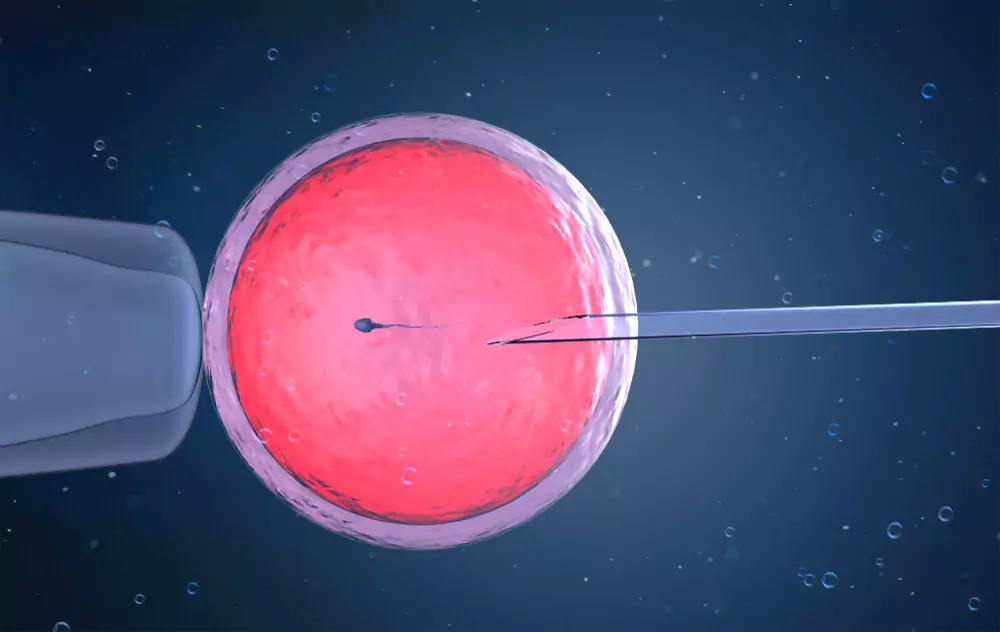
Laser Assisted Hatching (LAH) is an advanced laboratory technique used in assisted reproductive treatments like IVF and ICSI to improve embryo implantation rates. During this procedure, a precise laser is used to create a small opening in the embryo’s outer shell, known as the zona pellucida, which facilitates the embryo’s natural ability to “hatch” and attach to the uterine lining. This technique can significantly enhance the chances of a successful pregnancy, especially in patients with previous IVF failures or specific fertility challenges.
Who Needs Laser Assisted Hatching?
LAH is recommended for couples and patients in situations such as:
Women above 35 years of age, where the embryo shell may be harder and implantation is more difficult
Previous IVF cycles with poor implantation success
Embryos with thick zona pellucida identified during laboratory assessment
Patients using frozen-thawed embryos (FET), where the hatching process may be slowed
Couples with recurrent implantation failure despite good-quality embryos
Cases requiring advanced fertility interventions to maximize chances of pregnancy
Benefits of Laser Assisted Hatching
Increased implantation rates: Helps embryos attach more effectively to the uterine lining.
Precision and safety: Laser technology allows a controlled and minimal opening without harming the embryo.
Improved success with frozen embryos: Frozen-thawed embryos often benefit from assisted hatching due to potential zona hardening.
Non-invasive for the patient: The procedure is performed in the laboratory and does not require surgery.
Enhanced outcomes for advanced maternal age: Supports patients whose embryos may have difficulty hatching naturally.
The Laser Assisted Hatching Process
Embryo Assessment: Embryologists evaluate embryos for quality and hatching potential.
Laser Application: Using a high-precision laser, a tiny opening is made in the zona pellucida under a microscope.
Monitoring: Embryos are carefully observed to ensure viability after the procedure.
Embryo Transfer: The treated embryo is transferred into the uterus for implantation.
Pregnancy Test: Two weeks after transfer, a blood test confirms whether implantation and pregnancy have occurred.
Why Choose IRA IVF Center for Laser Assisted Hatching?
At IRA IVF Center, under the expert guidance of Dr. Smita Tomar (M.S. Obstetrics & Gynaecology, Fellowship in Reproductive Medicine), we use cutting-edge laser technology and highly skilled embryologists to perform LAH safely and effectively. Our personalized approach ensures that each embryo is treated with care, maximizing implantation potential and helping couples achieve their dream of parenthood.