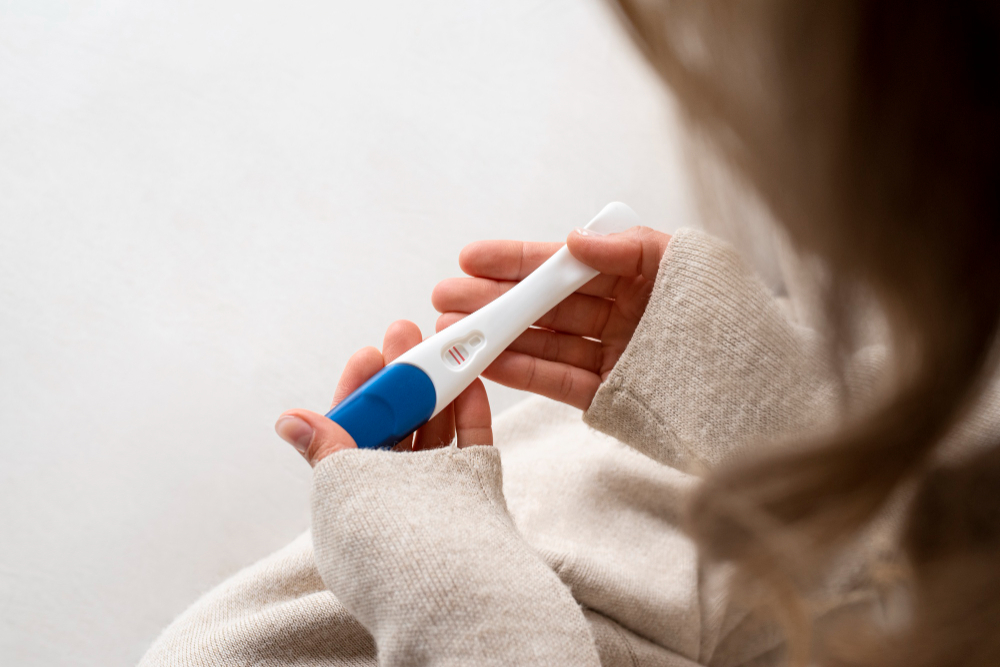
Fertility evaluation is a set of tests and exams that help find out why a couple may have trouble getting pregnant. This process is important because it can guide the best treatment. Many people wonder what to expect during fertility evaluation. If you have been trying to conceive without success, a fertility evaluation can offer answers and hope. Both men and women may need this assessment. Early testing can help you understand your options and plan for the future.
What Is Fertility Evaluation?
A fertility evaluation is a step-by-step process. It checks your health and looks for reasons you may not be able to get pregnant. Doctors use this process to find out if there are problems with eggs, sperm, or the uterus. The goal is to help couples or individuals understand their fertility and choose the right next steps. Usually, both partners are involved in the fertility testing process.
When Should You Consider a Fertility Evaluation?
Sometimes, couples wonder when to seek help. Here are some signs or situations when you should consider a fertility evaluation:
You have tried to get pregnant for over a year without success (or six months if you are over 35).
Your periods are irregular or absent.
You have a history of miscarriages.
You or your partner have known health issues that may affect fertility.
You have had cancer treatment or surgery near the reproductive organs.
Key Steps in Fertility Evaluation
During a fertility assessment for couples, doctors follow several steps. Each step helps gather important information:
Medical history review: First, your doctor will ask about your health, lifestyle, and family history. This helps spot any risk factors.
Physical examination: Next, a simple exam checks for signs of health problems that may affect fertility.
Hormone and blood tests: These tests measure hormone levels. They can show if your body is ready for pregnancy.
Imaging tests (such as ultrasound): Doctors use ultrasound to look at the uterus and ovaries. This can reveal cysts, fibroids, or other issues.
Semen analysis (if applicable): For men, a semen test checks sperm count, shape, and movement. This is a key part of the fertility testing process.
Common Causes of Fertility Issues
Fertility evaluation often finds one or more causes for trouble getting pregnant. Some common causes include:
Ovulation problems (not releasing eggs regularly)
Blocked fallopian tubes
Low sperm count or poor sperm quality
Uterine issues, such as fibroids or polyps
Hormone imbalances
Age-related decline in fertility
What Happens After the Evaluation?
After your fertility evaluation, your doctor will review the results with you. Sometimes, the cause is clear, and treatment can begin right away. Other times, more tests may be needed. Possible next steps include:
Referral to a fertility specialist
Further testing, such as genetic tests or advanced imaging
Starting treatments like medication, surgery, or assisted reproductive techniques (such as IVF)
Advice on lifestyle changes to improve fertility
Tips for Preparing for Your Fertility Evaluation
Getting ready for a fertility assessment can feel stressful. However, a few simple steps can help you prepare:
Write down your health history, including past illnesses and surgeries.
List any medicines or supplements you take.
Track your menstrual cycles, if possible.
Bring your partner, if you have one, for support and shared information.
Eat a balanced diet, stay active, and avoid smoking or heavy drinking.
Frequently Asked Questions
Is fertility evaluation painful? Most tests are simple and cause little discomfort. Some may feel like a regular check-up.
How long does the fertility testing process take? It can take a few weeks, depending on the tests needed.
Can both partners be tested? Yes, doctors often test both partners to get a complete picture.
Will insurance cover fertility evaluation? Coverage varies, so check with your provider before starting.
What if no cause is found? Sometimes, no clear reason is found. Your doctor will still suggest options to help you conceive.
Reliable Resources
World Health Organization (WHO): Information on infertility and reproductive health
Centers for Disease Control and Prevention (CDC): Fertility and reproductive health guidelines
Peer-reviewed journals, such as Fertility and Sterility, for the latest research
Conclusion
In summary, a fertility evaluation at IRA IVF CENTER can help you understand why pregnancy has not happened yet. It includes several simple tests and exams. Early assessment can lead to better outcomes. Consult IRA IVF CENTER for personalized guidance.