Introduction to Blastocyst Culture
Many people exploring fertility treatment hear about blastocyst culture. This process is a key part of in vitro fertilization (IVF). In simple terms, blastocyst culture helps doctors select the best embryos for transfer. As a result, it can improve the chances of pregnancy. But what exactly is blastocyst culture, and how does it work?
What Is Blastocyst Culture?
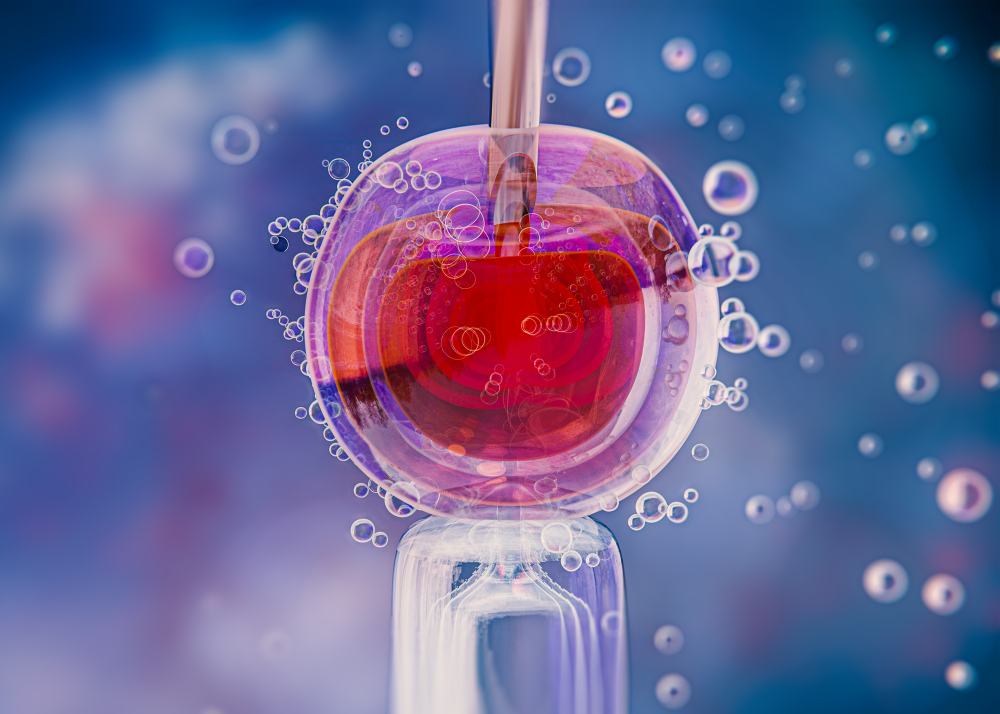
Blastocyst culture is a method used during IVF. In this process, embryos are grown in a lab for about five to six days. During this time, they reach a stage called the “blastocyst.” At this stage, embryos have more cells and are more developed. Because of this, doctors can better choose which embryos are most likely to lead to a healthy pregnancy.
How Does Blastocyst Culture Work?
First, eggs are collected from the ovaries. Next, these eggs are fertilized with sperm in the lab. After fertilization, the embryos begin to grow. Instead of transferring them after just two or three days, doctors wait until day five or six. This extra time allows the embryos to reach the blastocyst stage.
At this point, the best-quality blastocysts are chosen for embryo transfer.
Benefits of Blastocyst Culture in IVF
There are several reasons why blastocyst culture is popular in fertility treatment. For many couples, it offers hope and better outcomes. Here are some key benefits:
Because of these benefits, many IVF clinics now use blastocyst culture as a standard part of treatment.
Risks and Considerations
Although blastocyst culture has many advantages, there are some risks to consider. Not all embryos will reach the blastocyst stage. As a result, some couples may have fewer embryos for transfer or freezing. Additionally, the process requires special lab conditions and skilled staff.
However, most clinics explain these risks before starting treatment. It is important to discuss your options with your doctor.
Success Rates and What to Expect
Success rates for blastocyst culture are often higher than for early embryo transfer. According to the CDC, transferring blastocysts can lead to better pregnancy outcomes. Still, results depend on many factors, such as age, health, and embryo quality. While some couples get pregnant on the first try, others may need more than one cycle.
Therefore, it is important to have realistic expectations and stay in touch with your care team.
Frequently Asked Questions
When to Consult a Fertility Specialist
If you are considering IVF or have questions about blastocyst culture, it is wise to speak with a fertility specialist. They can explain the process, review your options, and help you decide what is best for you. Early guidance can make your fertility journey smoother and less stressful.
Conclusion
In summary, blastocyst culture is an important part of modern IVF. It helps select the best embryos, improves success rates, and offers hope to many families. For the best guidance, consult a fertility specialist at IRA IVF CENTER to understand blastocyst culture and choose the right approach for your personal needs.