What is Blastocyst Transfer?
Blastocyst Transfer is an advanced step in the IVF process where embryos are cultured in the laboratory for five to six days after fertilization until they reach the blastocyst stage. At this stage, the embryo has developed further and has a higher potential for implantation. By transferring embryos at this stage, the chances of achieving a successful pregnancy are significantly improved.
Who Needs Blastocyst Transfer?
Blastocyst Transfer is often recommended for couples in specific situations, such as:
Couples who have multiple good-quality embryos on Day 3 of culture
Patients who experienced failed implantation in previous IVF cycles
Women who wish to reduce the risk of multiple pregnancies by transferring fewer embryos
Couples who require pre-implantation genetic testing (PGT) before transfer
Couples seeking higher implantation and live birth rates compared to earlier-stage embryo transfers
Benefits of Blastocyst Transfer
Higher success rates: Blastocysts are more developed and have a better chance of implanting successfully in the uterus.
Better embryo selection: Culturing embryos longer allows embryologists to select the healthiest and most viable ones.
Reduced multiple pregnancy risks: By transferring fewer, but stronger embryos, the risk of twins or triplets is minimized.
Synchrony with the uterus: Blastocyst transfer more closely mimics the natural timing of embryo implantation in a woman’s body.
Supports genetic testing: Blastocyst-stage embryos can undergo screening for chromosomal or genetic conditions.
The Blastocyst Transfer Process
Fertilization and Embryo Culture: After IVF or ICSI, embryos are cultured in a lab for five to six days.
Embryo Development Monitoring: Embryologists observe the embryos daily to assess growth and quality.
Blastocyst Selection: The healthiest blastocyst(s) are selected for transfer based on development and morphology.
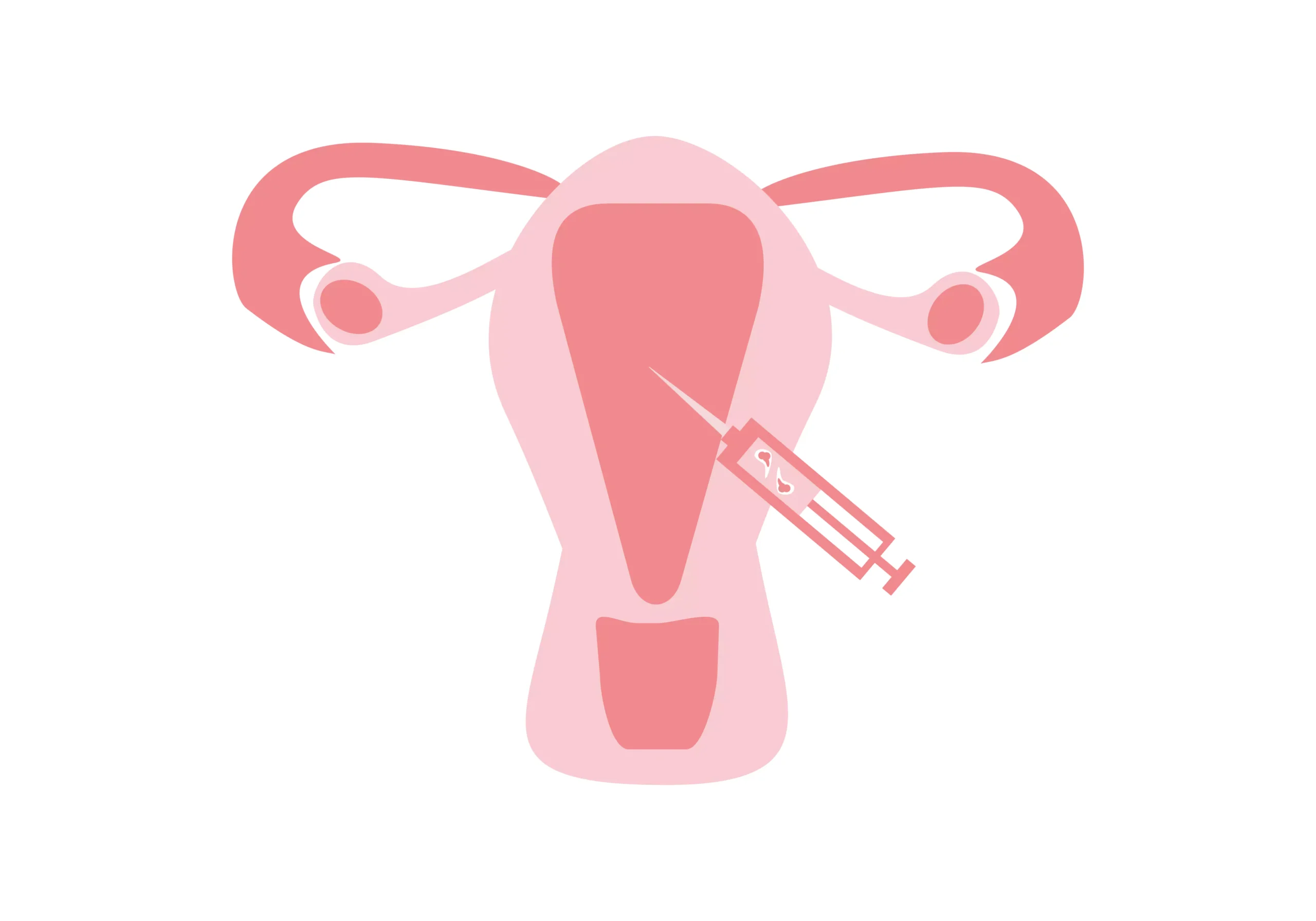
Embryo Transfer: The selected blastocyst is gently placed into the uterus using a thin catheter.
Pregnancy Confirmation: A blood test after two weeks confirms whether implantation has occurred.
Why Choose IRA IVF Center for Blastocyst Transfer?
At IRA IVF Center, we use advanced laboratory techniques and culture media to support embryo development until the blastocyst stage. Under the expert care of Dr. Smita Tomar (M.S. Obstetrics & Gynaecology, Fellowship in Reproductive Medicine), each transfer is carefully timed and personalized to optimize success. With our modern infrastructure, skilled embryologists, and patient-centered care, we aim to give couples the best possible chance of starting their family.